
Not sure which style is right for you? Read our guide on choosing between an Immersion and a Traverse.
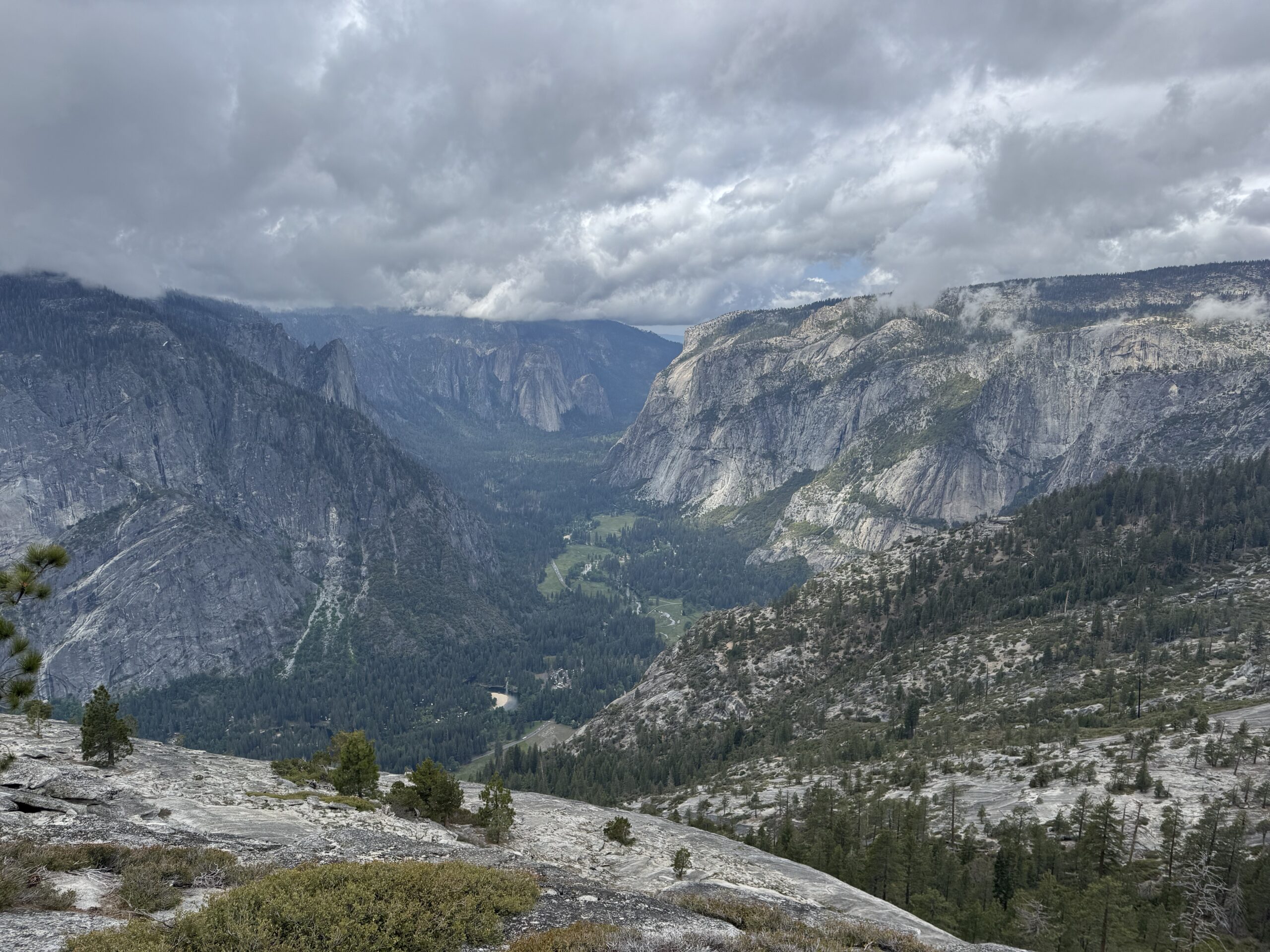
Depth Over Distance | 5-7 Days
Settle into the heart of a single, spectacular basin. We handle the logistics so you can focus on granite peaks, alpine lakes, and actually relaxing. Less hiking, more Yosemite.
Trips start at $2,200/person.
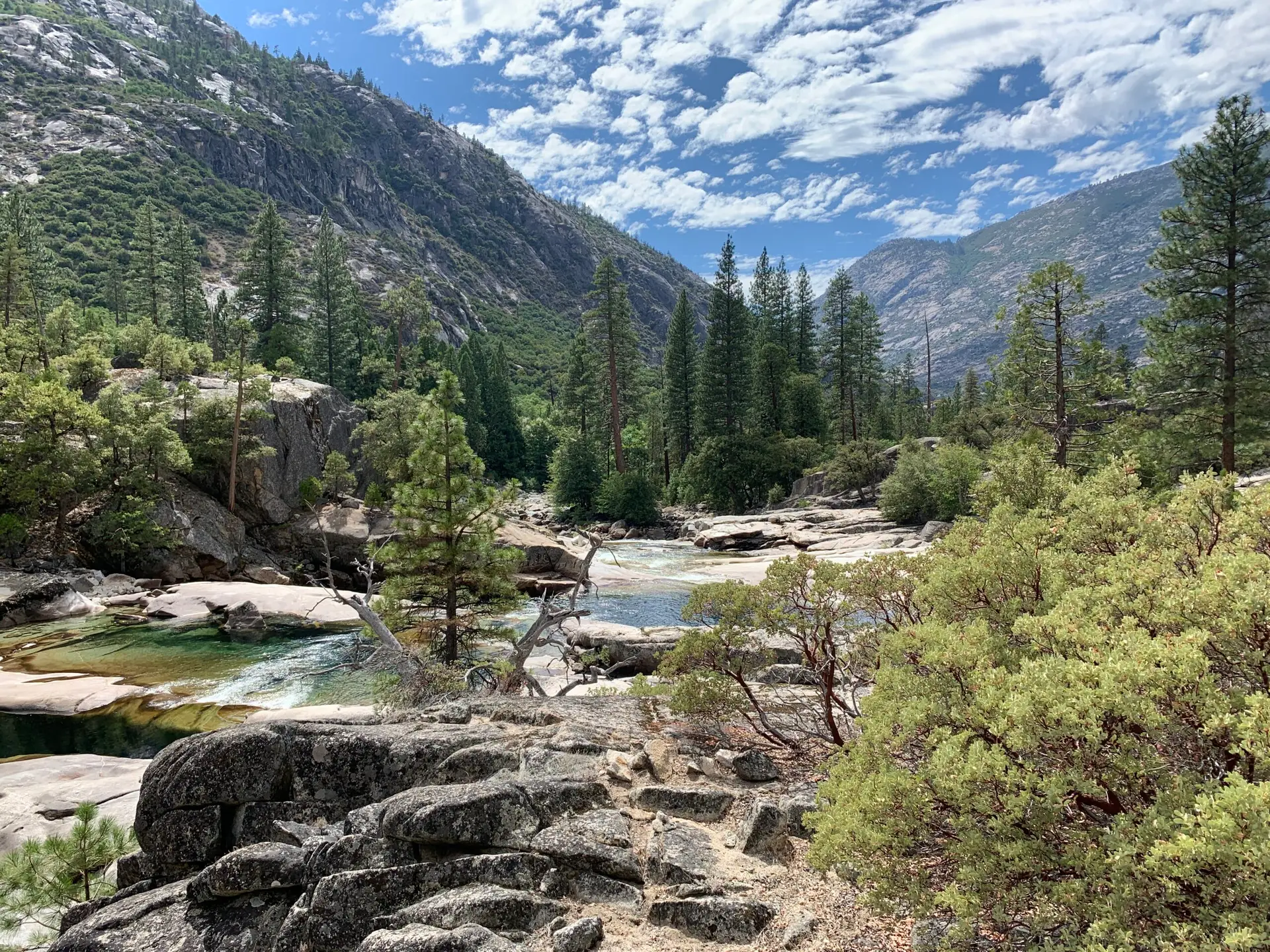
The Journey Itself | 7-10 Days
For those who want to see what’s over the next pass. This is a point-to-point hike covering diverse ground. We manage the logistics and route-finding; you just focus on the journey.
Trips start at $3,100/person
If you’re planning a Yosemite wilderness trip from out of state, the hike isn’t the hard part. The hard part is everything else.
As locals who have been running logistics in these mountains for 15 years, we see where people get stuck. It’s not on the trail; it’s in the planning. The real barriers are the permit system, the 5-hour drive from the airport, the food planning, the gear logistics, and the one-way shuttles.
When it comes to Wilderness Permits for the Yosemite backcountry, you have two options. Neither of these are ideal for a fly-in visitor.
This is for 60% of the permits. To have a real chance, you can't just pick your one dream trailhead; you have to list up to eight alternatives. This means you have to research routes, water sources, and logistics for all eight of those trips, just to make sure your backup options are viable. It's a massive time sink for a trip you might not even get.
The other 40% of permits are released online exactly seven days in advance. They are gone in minutes, or seconds for popular trailheads. This system is fine for locals who can jump in the car, but it's useless if you need to book a flight, secure a rental car, and take time off work.
Securing a permit is just the first hurdle. Now the real logistics begin, and you haven’t even gotten to your trailhead yet.
You land at SFO, Oakland, or San Jose. You still have a 4 to 5 hour drive just to get to the park. You have to rent a car, navigate traffic in one of the busiest metro areas in the US, and figure out which of the four park entrances to use for your specific trailhead.
Yosemite's gates are a huge bottleneck. There are three gates on the west side, but only one that offers quick access to 80% of the trailheads. Thousands of cars bottleneck into 2 entry lanes. Time it wrong during peak season, and you will incur a 2+ hour wait in line just to pass through.
Once inside, you have to find parking, a frustrating problem when you're racing a permit deadline. Get to Yosemite Valley on a peak-season morning, and lots fill at a stupefying pace. We’ve seen rangers force cars into the 10-mile, one-way Valley loop, just driving in circles until they get lucky. There are some hidden lots, but they aren't obvious and the rangers don't direct you to them.
Did you fly with a bear canister, tent, stove, and sleeping bag? Or are you planning to rent? That means another stop, burning more time. You also can't fly with stove fuel. That means you have to find an REI on the way or hope the limited park stores have it in stock.
For a 5- to 7-day trip, you need specialty backpacking food. Packing that in a suitcase is a hassle, especially with TSA rules. You also have to figure out where to eat on your travel days. You'll need to research and find food stops before and after your hike, adding more time and complexity. And the bear canister? It's not optional—it's legally required in Yosemite.
Many of the best backpacking trips are one-way traverses. This means your rental car is at a trailhead 20 road-miles (or a 2-hour shuttle ride) from where you finish. There are 4 different shuttle routes but only two that go outside the valley, and those only run once or twice a day. To make matters worse, Yosemite tourism is not the same as Sierra thru-hiker culture; people do not help hitchhikers.
It’s extremely competitive. 60% of permits are in a lottery 24 weeks in advance. The other 40% are released online exactly seven days in advance and are typically gone in seconds.
Both methods are a gamble and are not practical for a fly-in visitor needing to book flights. This is the main problem we solve—we secure the permits for our clients in advance. You can read the full NPS rules here.”
This is a key problem. You have two bad options for a DIY trip:
Public Transit: This is a 14-16 hour ‘planes, trains, and automobiles’ ordeal. It requires 3-4 separate, time-sensitive tickets (BART, Amtrak, YARTS), costs $45-$70+ one-way, and is simply not practical.
A Rental Car: This is the only other solution, but it just swaps one problem for another: the 4-5 hour drive after your flight and the nightmare of finding parking in Yosemite Valley, where lots can fill before 9 AM.
Our airport-to-trailhead service was built to solve this. We eliminate both the multi-stage transit and the rental car hassles.
This is the ‘next level’ of the rental car problem. To do a thru-hike, your car is at the wrong trailhead.
You could try to solve this by parking in the Valley (where YARTS runs), but this is a classic trap for DIY planners. That ‘solution’ creates three new, bigger problems:
Limited Routes: You’re forced to plan a loop that starts and ends in the Valley, which severely limits your options and prevents true one-way thru-hikes.
The Crowds: Most Valley-based loops use the Mist Trail, which is the most overcrowded hike in the park—a conga line of tourists, not a wilderness start. Yosemite Falls is the other crowded option, but it’s an even more brutal climb and is probably the most treacherous trail out of the valley – wet, loose, and very slick.
The Climb: Four Mile Trail and Snow Creek are less crowded but one is the longest, highest climb out of the valley, and the other climbs over 1200 feet per mile for the first 2.5 miles, a truly challenging start to your hike.
Our service eliminates all of this. We provide true one-way traverses. We drop you at one trailhead and pick you up at another—no car, no shuttles, and no ‘Valley trap’.
We start with a one-on-one call to understand your group's goals, fitness, and desired experience. This is where we determine the perfect trip style to match what you're looking for.
Your trip is built on a proven route, but the day-to-day itinerary is customized for you. Based on our call, we fine-tune the pace, daily mileage and activities, like side-hikes or fishing, to perfectly match your group's goals.
Your trip begins the moment you land. We pick you up from any Bay Area airport and provide all the gear you need. No rental shops, no technical packing lists to worry about.
Your two guides handle all logistics. From navigation and preparing hot meals to providing you with an expertly pre-packed backpack. This frees you to focus on the hike, with optional opportunities to learn backcountry skills along the way.
Ready to Start Planning?